


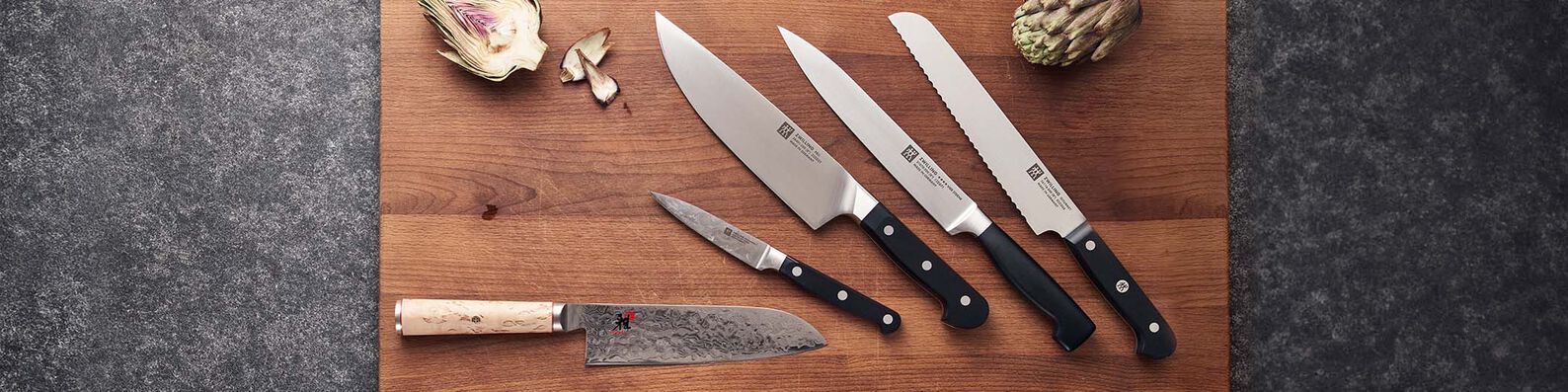
How to properly use and care for different types of cookware?
Proper use and care of kitchen cookware are just as important as its quality. Often, it is attention to small details and nuances that determines how long a pot or pan will retain its functionality, appearance, and safety. Each material—whether stainless steel, cast iron, or another type of cookware—has its own specific rules for use and maintenance. Knowing and following these guidelines will help you avoid damage, deformation, surface deterioration, and excessive wear.
On this page, you will find recommendations that will help you use, clean, and store your cookware correctly, ensuring it remains reliable, practical, and aesthetically pleasing for many years to come.
By Categories

Stainless Steel Pot / Pan
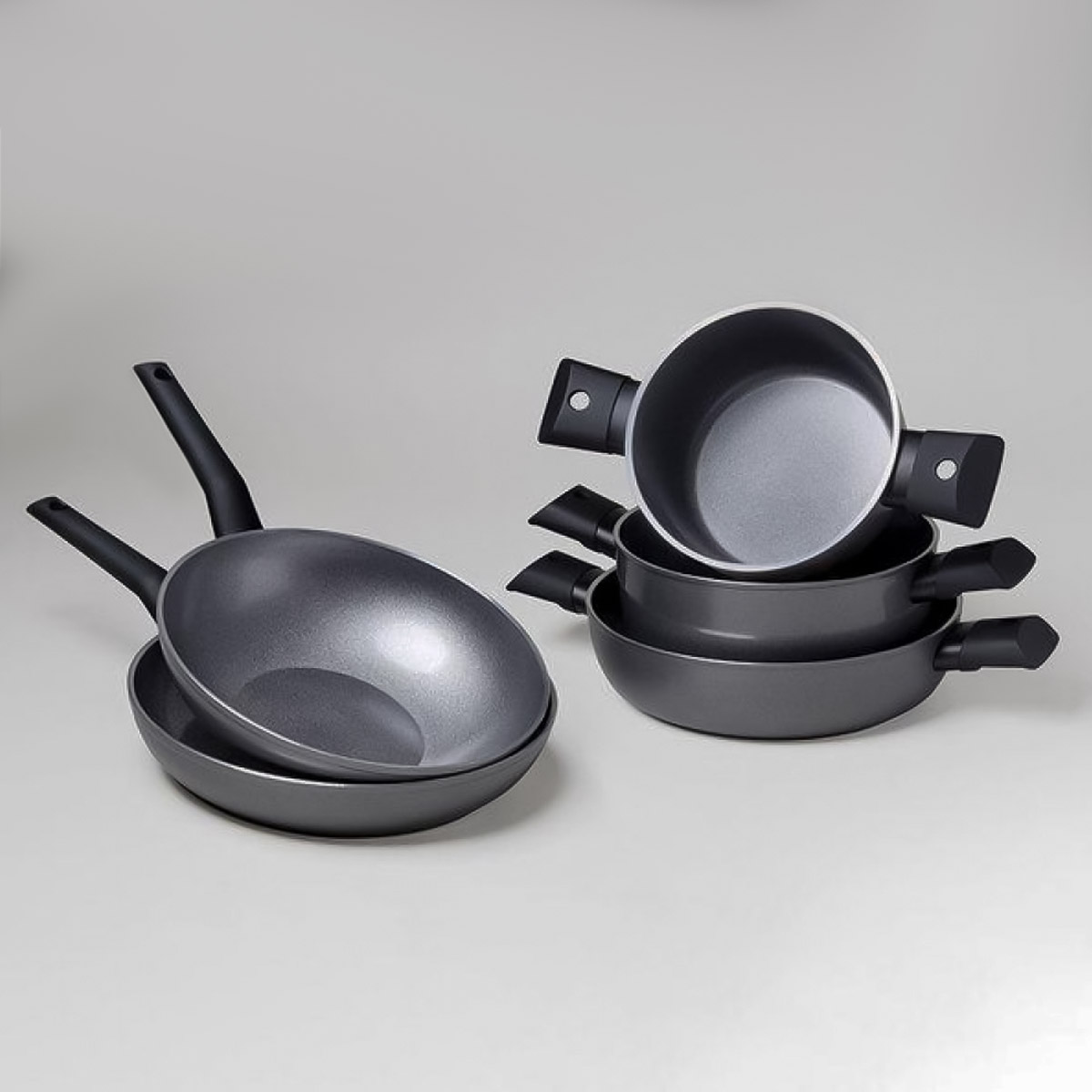
Non-Stick Pot / Pan

Cast Iron Pot / Pan
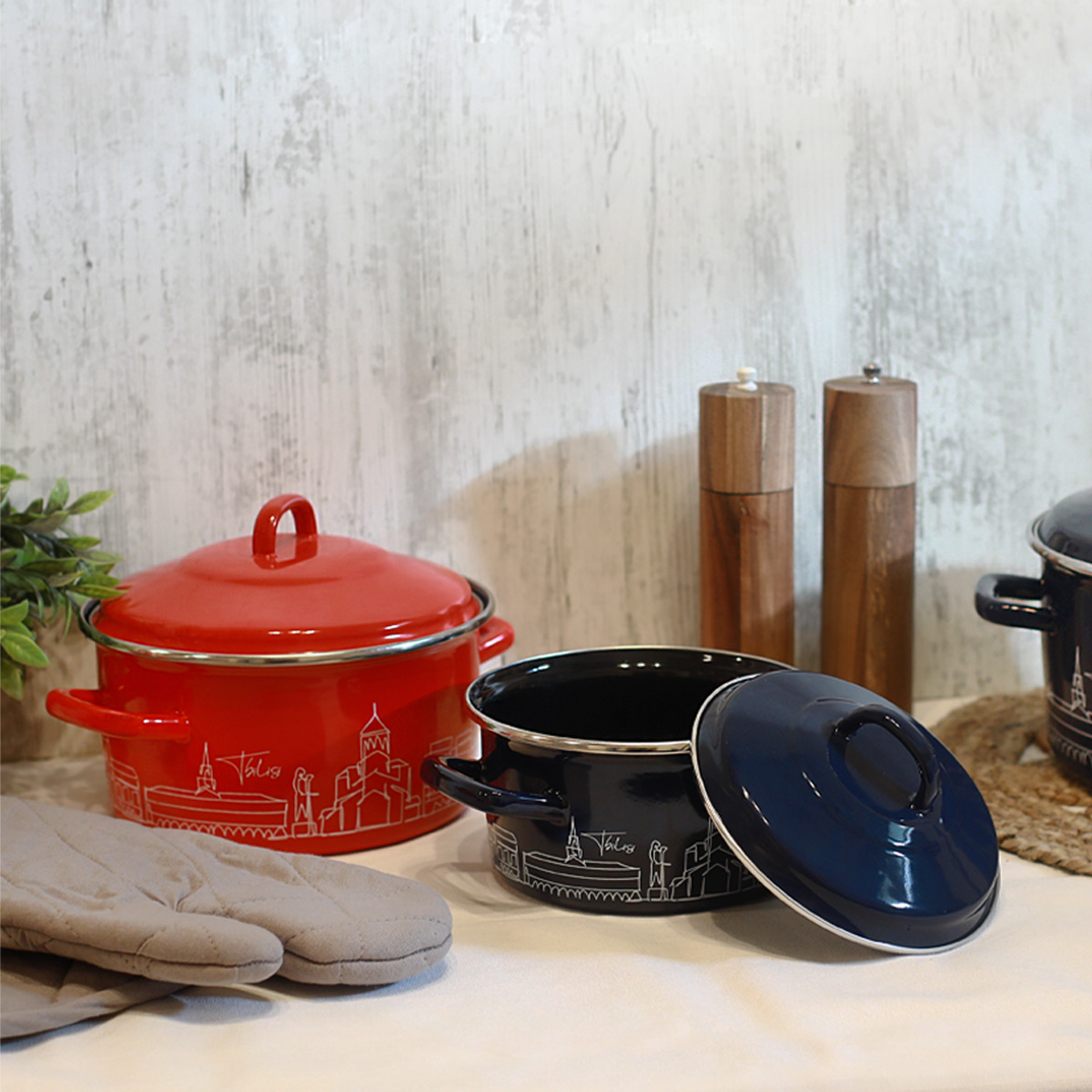
Enamel Pot / Pan

Knife Care

Wooden Accessories

Glassware

Porcelain/Ceramics
Knife Care
Zwilling knives are a good investment, and with proper care, they will serve you faithfully for a very long time.
Cleaning and Care:
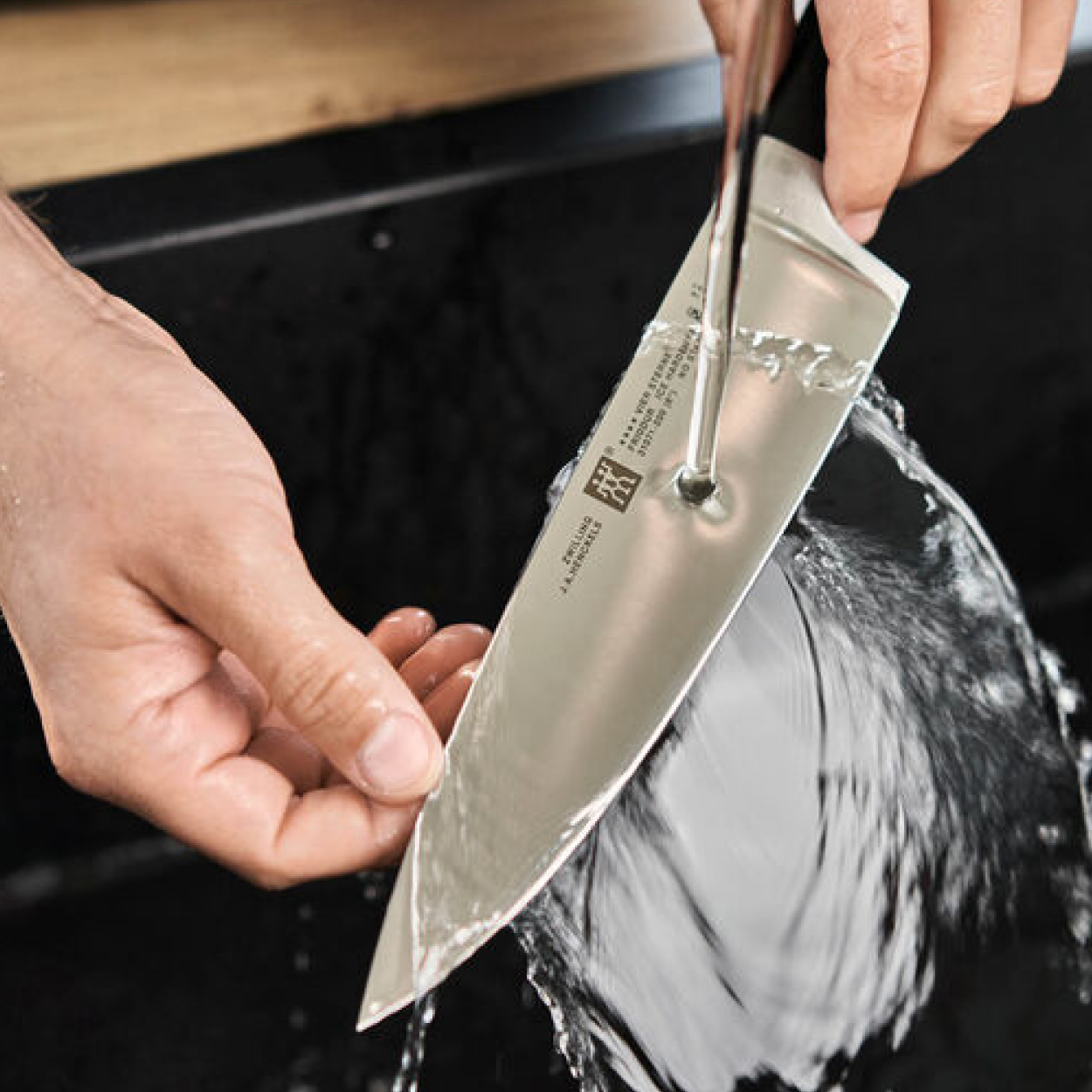
The most important aspect of knife care is the cleaning method: to prevent aggressive cleaning agents from causing premature wear and edge damage, hand washing is recommended. Aggressive chemicals can damage the blade over time and cause the handle to turn gray or discolor; therefore, avoid using a dishwasher.
Hand Washing: After use, wash the knife under warm running water using a small amount of liquid dish soap. Dry immediately after washing with a soft cotton or microfiber cloth.
Handle Care: To maintain the shine of the handle (both plastic and wood), it is recommended to occasionally apply a drop of cooking oil. Ensure the knife handle is also dried thoroughly right after washing.
Sharpness and Honing:
• To maintain their original condition, periodic honing of the knives is recommended.
• A sharp knife is safer than a dull one because you use less force while cutting, and your hand fatigues less.
• Never sharpen serrated knives at home – they must only be sharpened by a professional.
• Knives presented with Self-Sharpening Blocks do not require additional honing. Built-in ceramic sharpeners in the block automatically align the blade’s edge with every use.
• To maintain the sharpness of Zwilling knives, the brand recommends using Zwilling knife sharpeners.
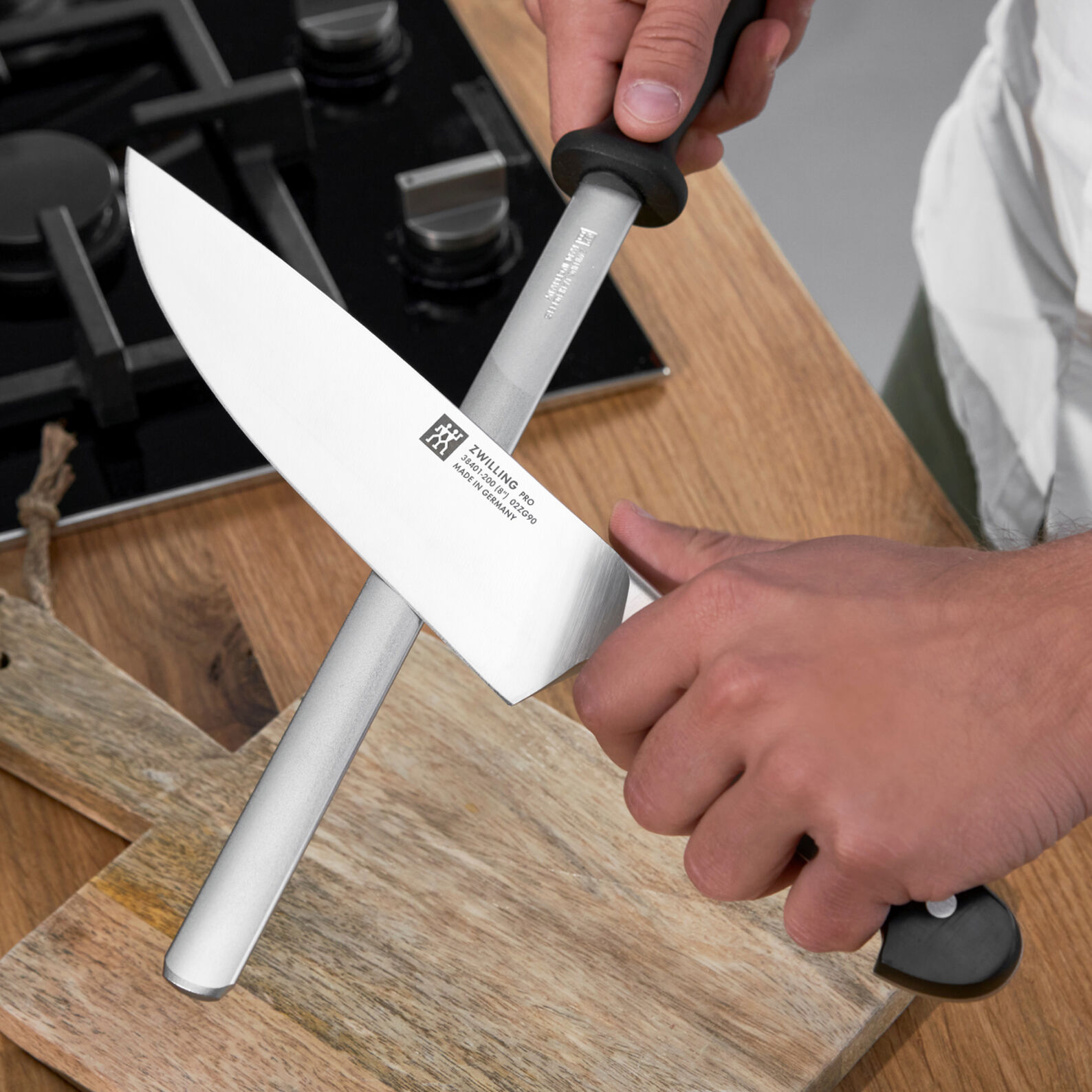
Using a sharpening steel is the easiest and most effective method.
Keep in mind:
1. Find the Ideal Angle:
First, place the sharpening steel vertically, resting the tip down on a table or cutting board.
• For ZWILLING knives: The angle between the blade and the steel should be approximately 15°.
• For Santoku and MIYABI knives: Use a sharper angle of 9-12°.
2. The Movement:
Hold the knife at a slight angle and move the blade along the steel from the base to the tip. Note:
• Apply slightly more pressure during the first few strokes, then reduce pressure for the final strokes.
• Repeat this process 3–10 times, alternating sides after each stroke.
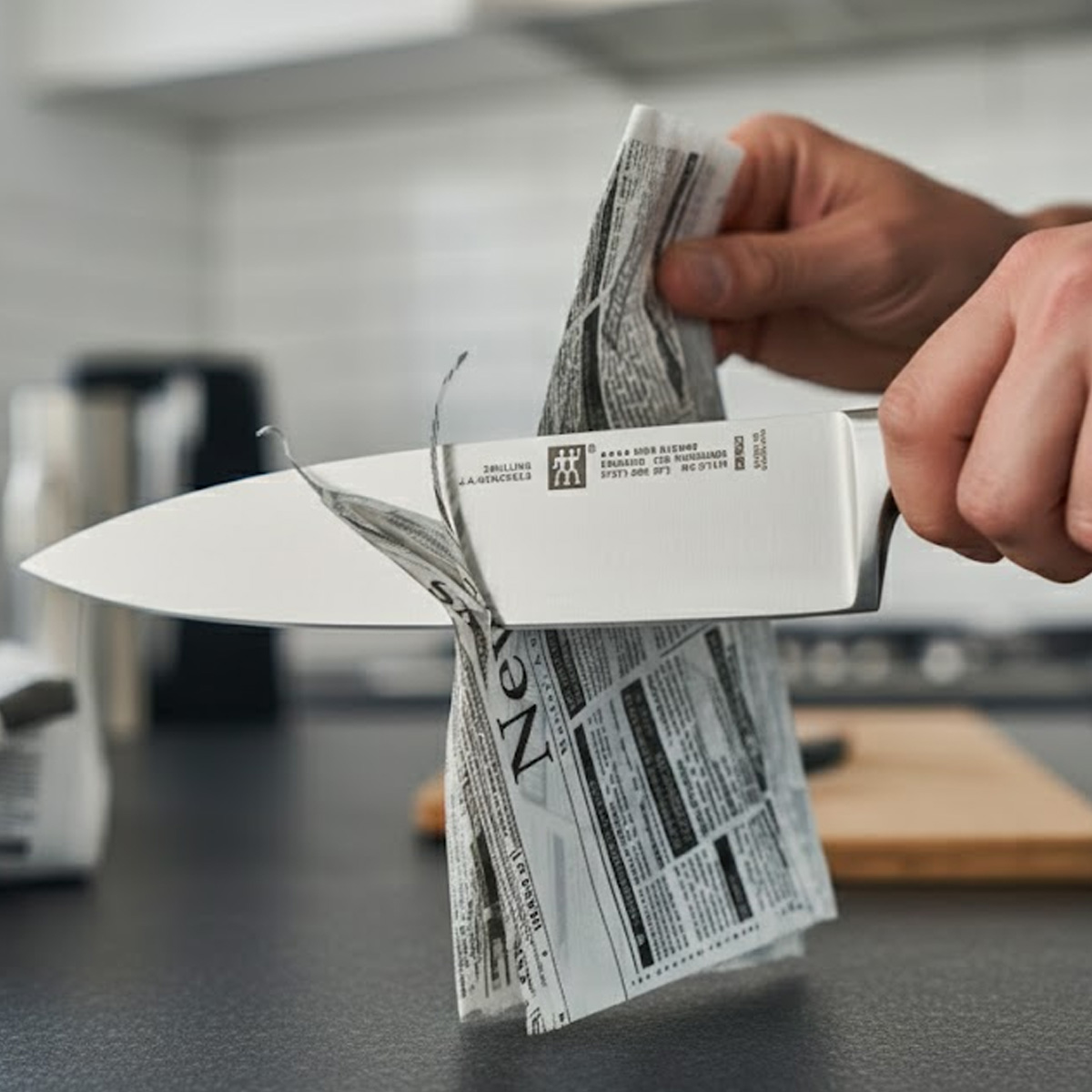
Check the sharpness with the Paper Test: Take a sheet of paper and run the knife through it – if it is sharp enough, the knife will cut the paper without any resistance or force. If you are still not satisfied with the sharpness, repeat the honing process until the desired result is achieved.
For additional resources, please visit the link
Storage and Cutting Boards:
Where to Store:
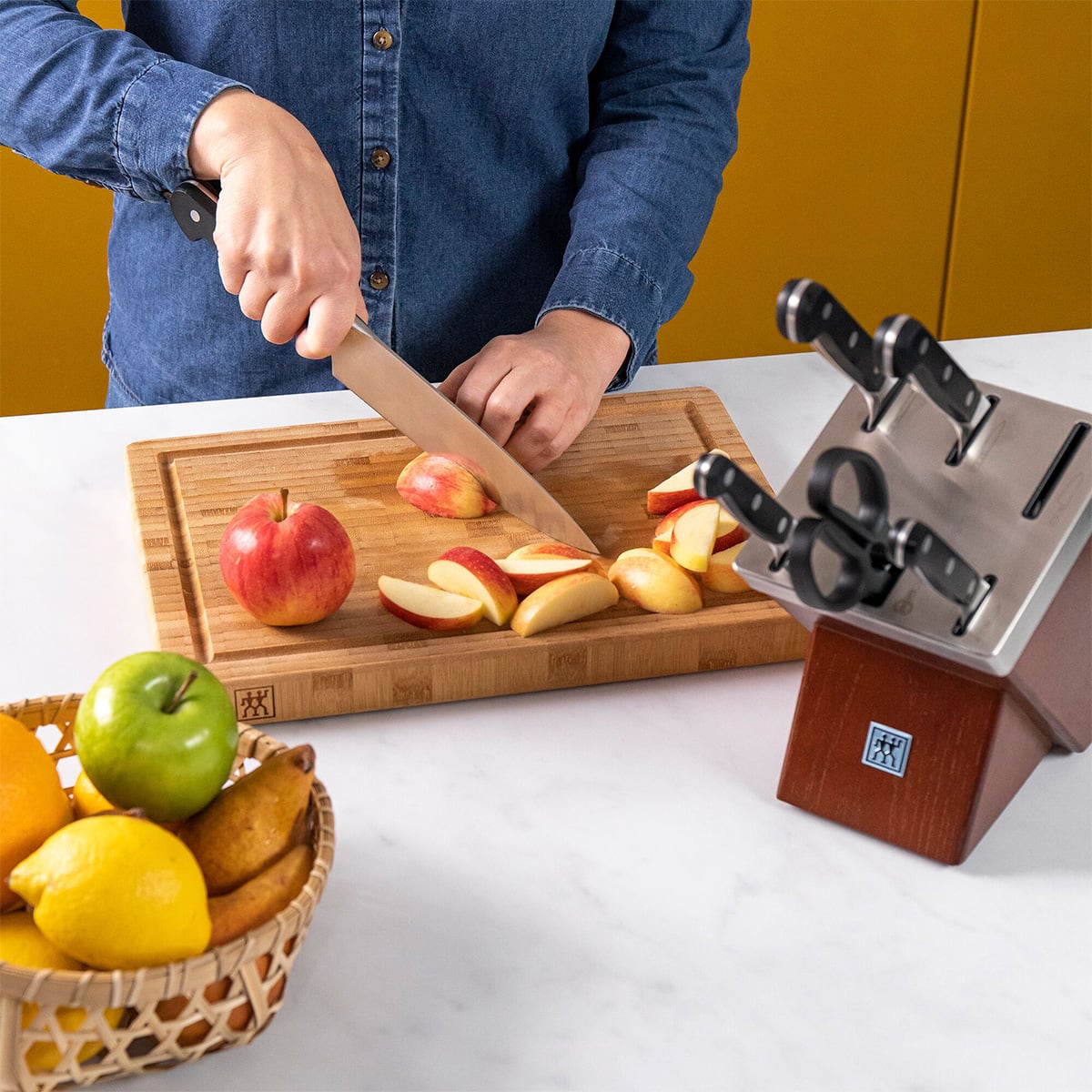
It is recommended to store knives in a special knife block or a drawer organizer, isolated from other items. This ensures safety, protects the cutting edge, and maintains cleanliness.
Working Surface:
Use wooden or plastic cutting boards. Avoid porcelain, glass, or metal cutting surfaces, as they will dull the knife instantly.