

Total:
16.13₾
Free Shipping for orders above 100₾ in Tbilisi.

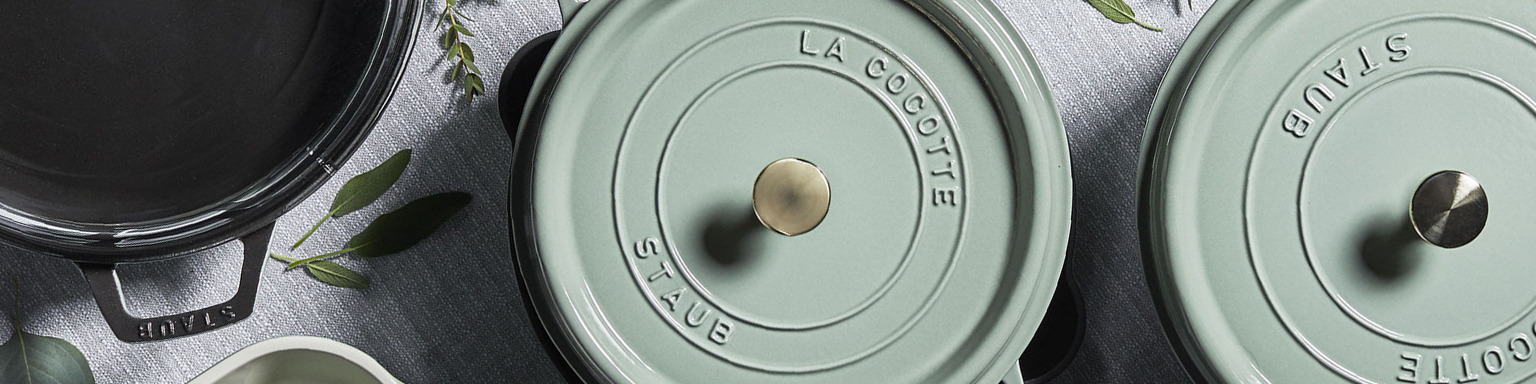
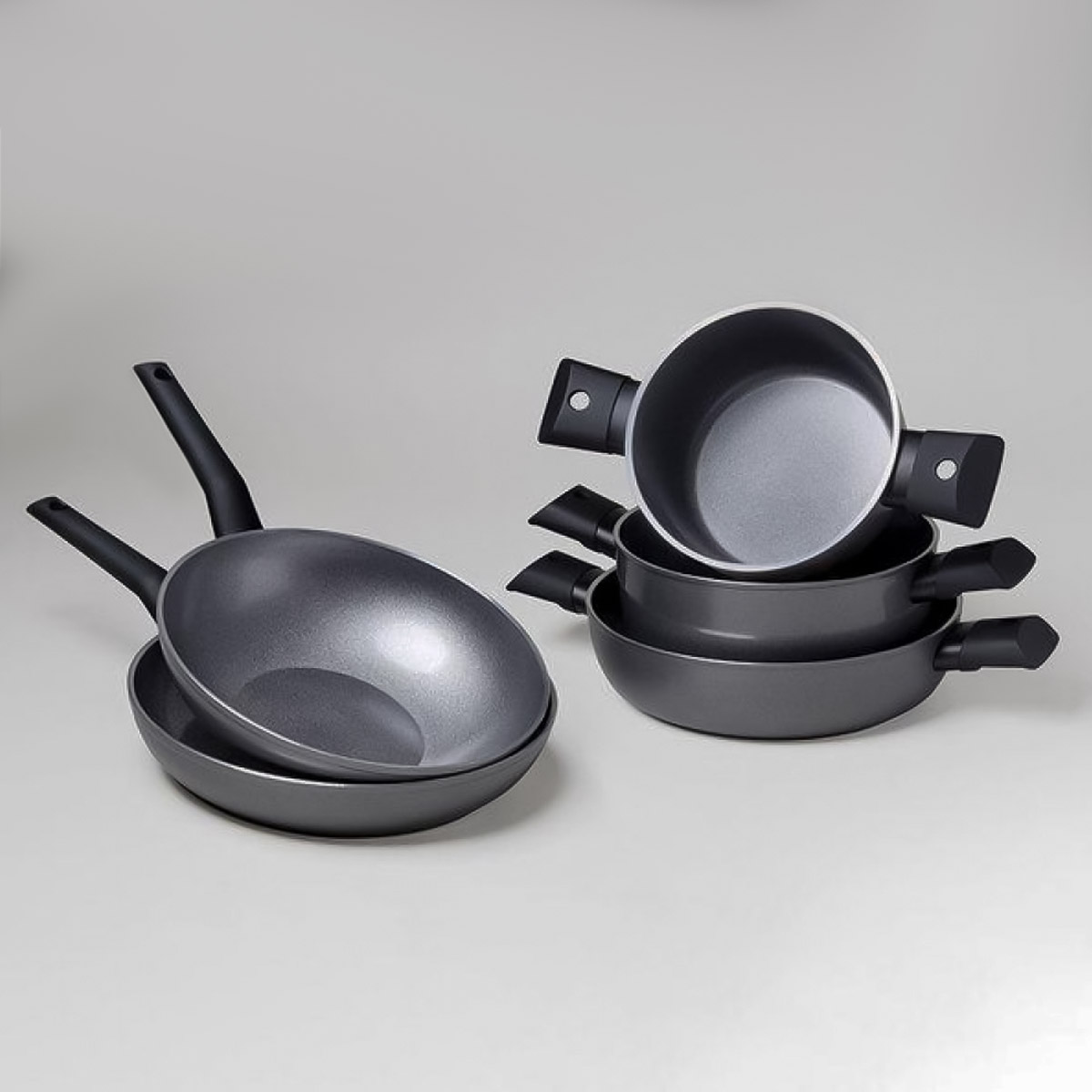
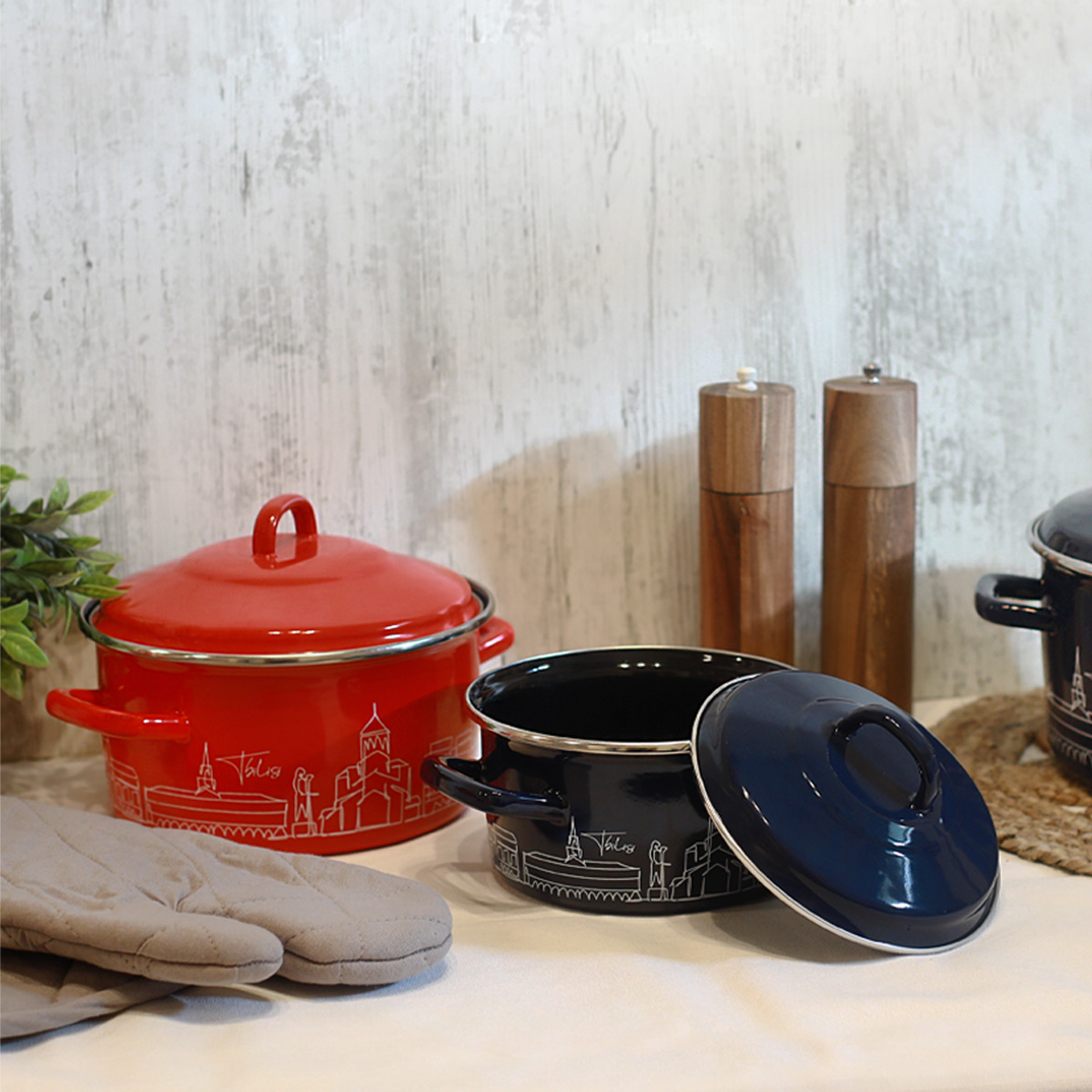
Proper use and care of kitchen cookware are just as important as its quality. Often, it is attention to small details and nuances that determines how long a pot or pan will retain its functionality, appearance, and safety. Each material—whether stainless steel, cast iron, or another type of cookware—has its own specific rules for use and maintenance. Knowing and following these guidelines will help you avoid damage, deformation, surface deterioration, and excessive wear.
On this page, you will find recommendations that will help you use, clean, and store your cookware correctly, ensuring it remains reliable, practical, and aesthetically pleasing for many years to come.




To ensure your cast iron cookware serves you for decades, please consider the following recommendations:
Before First Use:
• Remove all packaging labels/tags.
• Wash the cookware with warm water and dish soap, wipe with a soft cloth, turn it upside down, and wait for it to dry completely.
• Your cookware is ready for use!
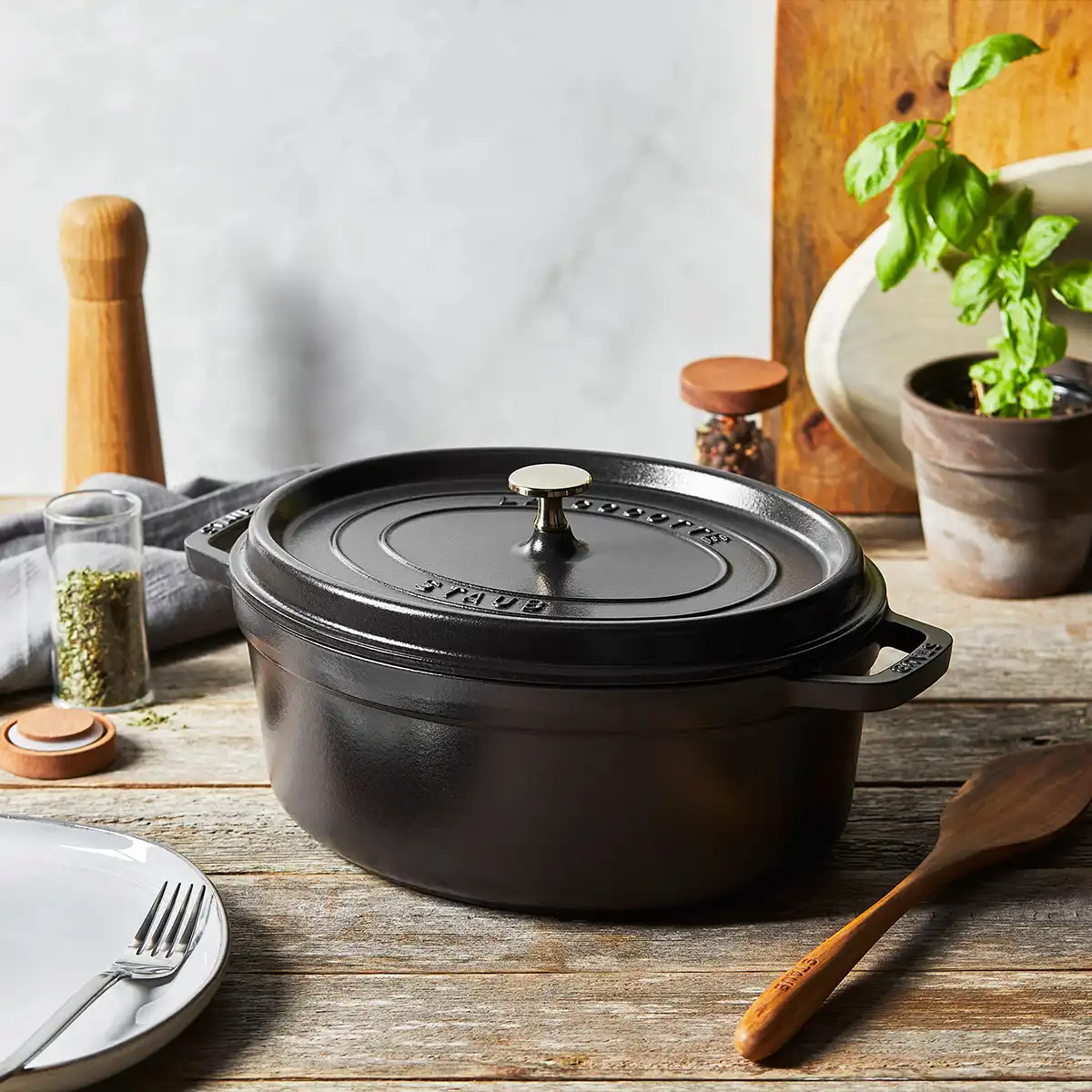
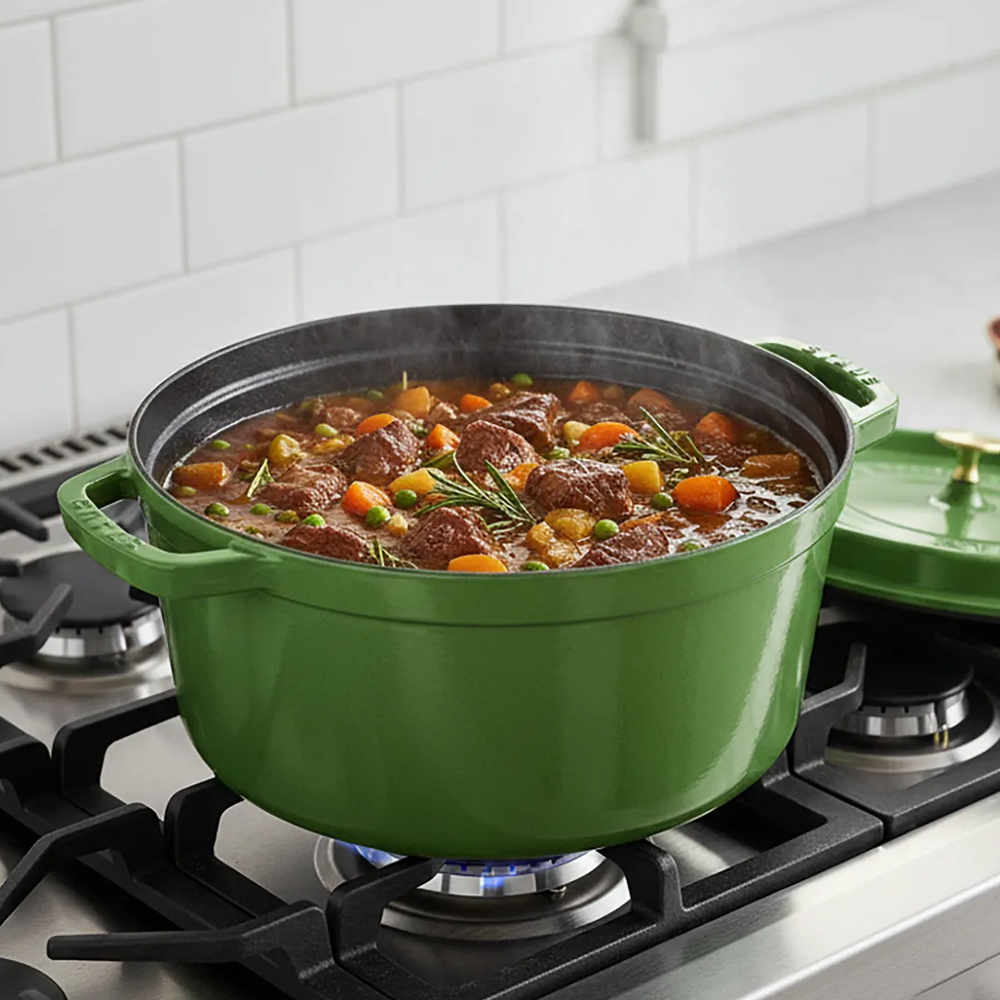
• Suitable for all types of stoves (electric, gas, induction, halogen) and the oven.
• Always place the cookware on the stove so that the flame does not exceed the diameter of the pot/pan.
• Temperature Setting: Heat the cookware gradually. Never heat empty cookware — first add a small amount of oil and then turn on the stove to avoid overheating the vessel.
• Induction Stove: Preheat your cookware on low temperature for 5 minutes, then you can increase the temperature. Avoid using the “Booster” function.
• Cast iron products can be used in the oven except for those with wooden or silicone handles.
• Oven: Maximum temperature 250°C. With silicone handles 200°C, and with glass lids 220°C.
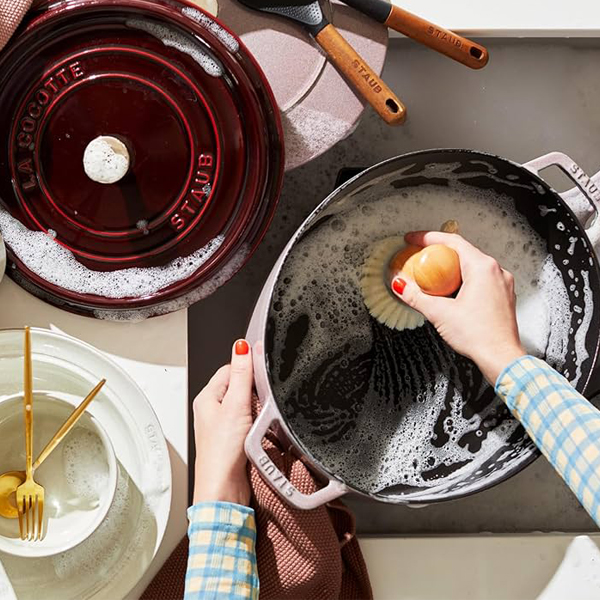
• Washing: Wait for the pan/pot to cool down completely. Use warm water, a soft sponge, and liquid dish soap for washing.
• Prohibited: Do not use metal scourers, abrasive powders, or oven cleaners, as they can damage the enamel.
• Thermal Shock: Never place hot cookware in cold water. This can cause the enamel to crack or peel. Wait for it to cool completely before you begin washing the pan/pot.
• Stubborn Stains: If food is burnt on, fill the cast iron cookware with warm water and let it soak, overnight if necessary. If the residue still remains, pour water, add 2-3 spoons of baking soda, and boil for a few minutes.
• Dishwasher: It is permitted, but not recommended, as aggressive detergents may damage the item over time.
• After washing, dry thoroughly with a clean cloth. Ensure it is completely dry before storing.
• When storing, place a protective soft cloth between your STAUB pans and pots to avoid scratches.
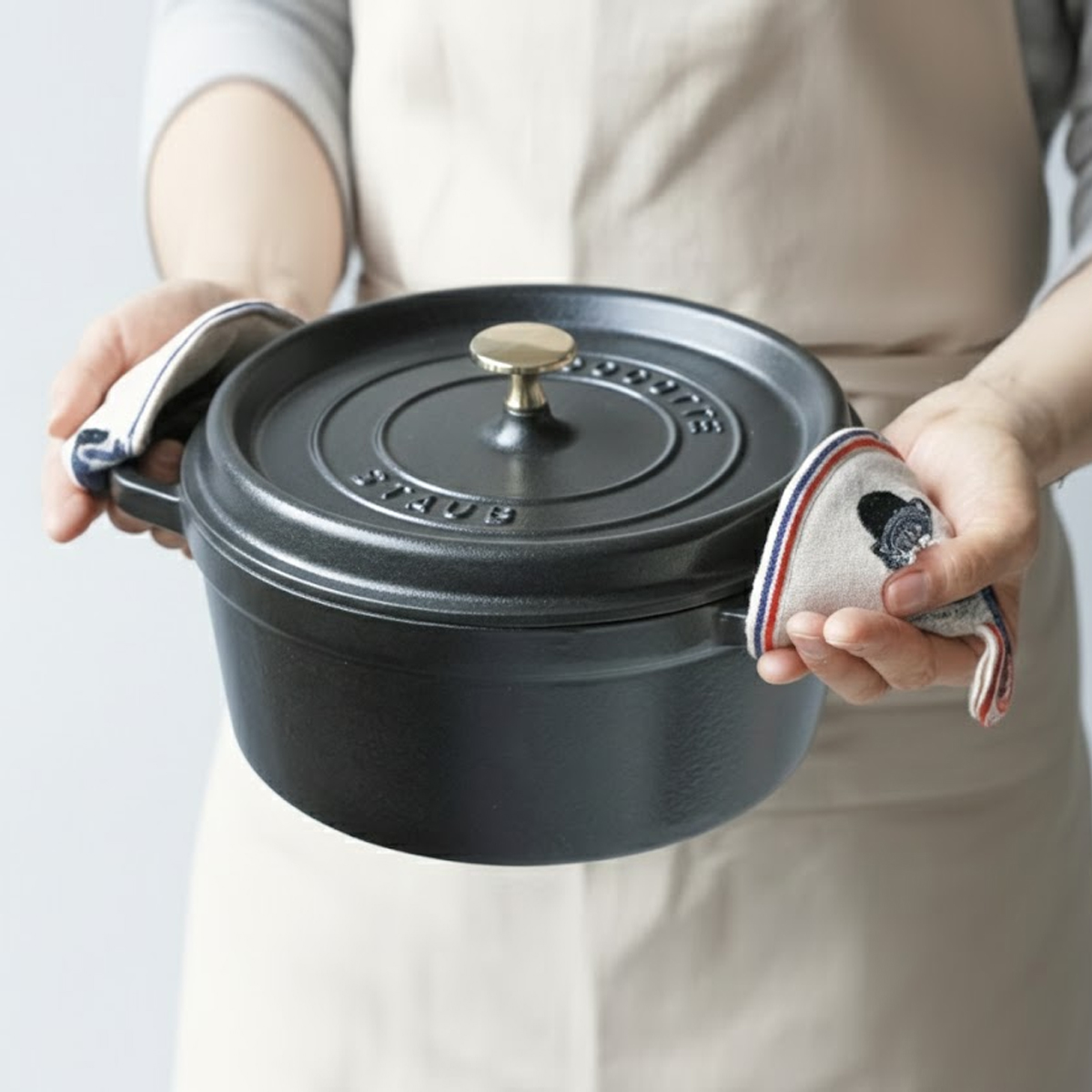
• Use protective gloves, as cast iron handles become extremely hot.
• On glass or ceramic surfaces, lift and move the cookware; do not slide it, to avoid scratching the stovetop surface.
• Use wooden or silicone spoons and utensils.
• The lid handle may loosen over time. Check it periodically and tighten it if necessary.
Professional Tip:
To improve the non-stick properties of the cookware, periodically apply a small amount of vegetable oil to the inner surface and warm it over low heat, then wipe off any excess oil with a paper towel.
For additional resources, please visit the link.