


Total:
129.41₾
Free Shipping for orders above 100₾ in Tbilisi.


Proper use and care of kitchen cookware are just as important as its quality. Often, it is attention to small details and nuances that determines how long a pot or pan will retain its functionality, appearance, and safety. Each material—whether stainless steel, cast iron, or another type of cookware—has its own specific rules for use and maintenance. Knowing and following these guidelines will help you avoid damage, deformation, surface deterioration, and excessive wear.
On this page, you will find recommendations that will help you use, clean, and store your cookware correctly, ensuring it remains reliable, practical, and aesthetically pleasing for many years to come.

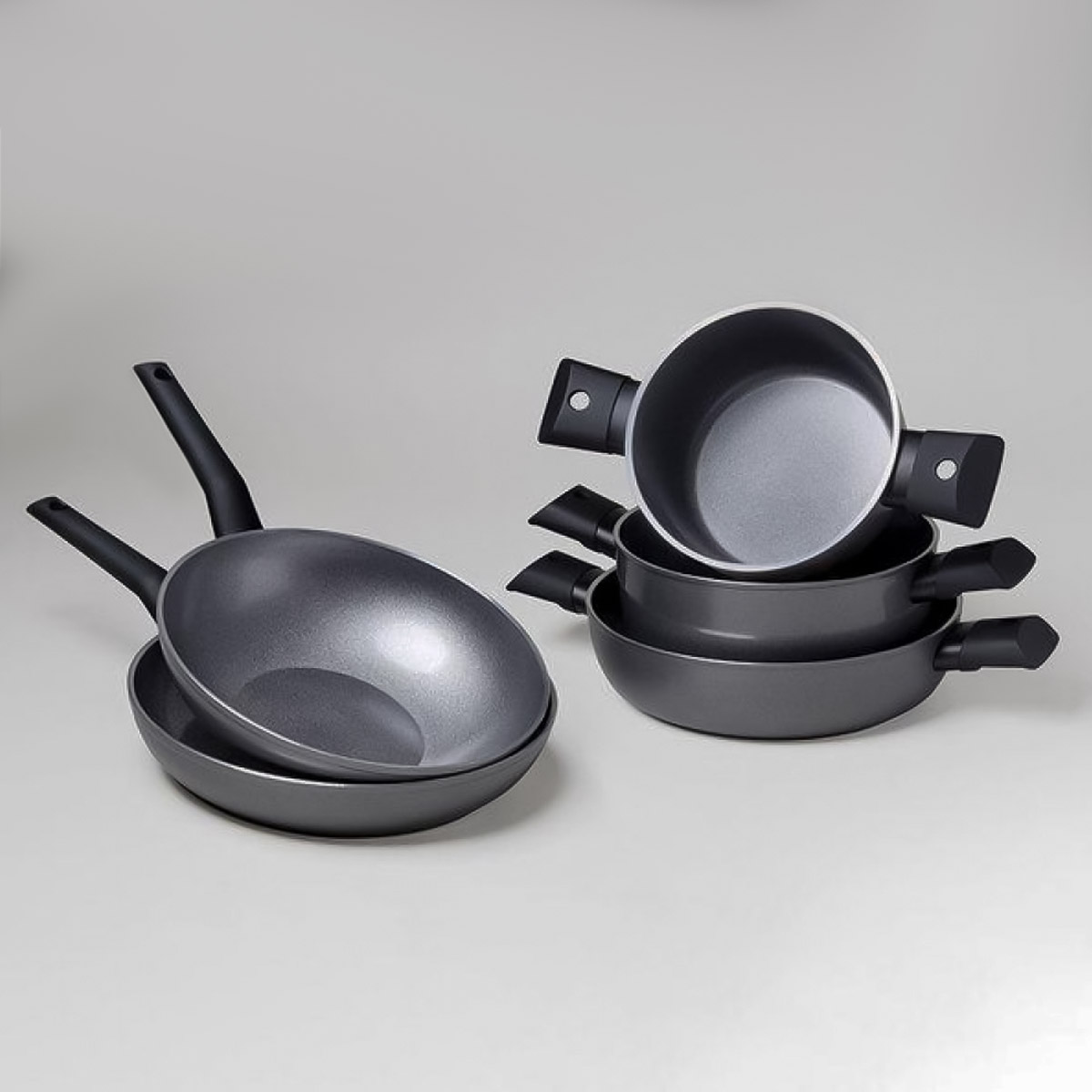

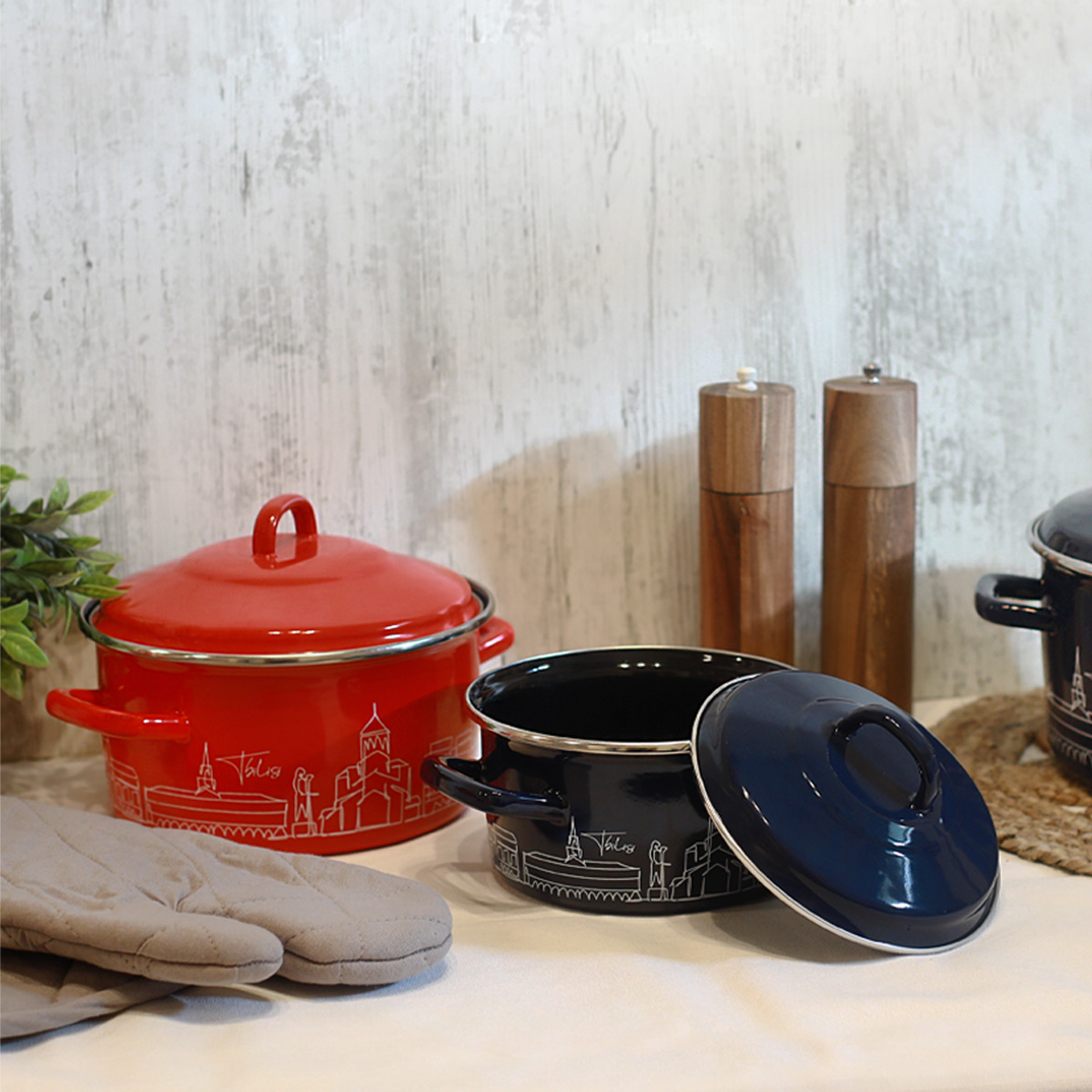


Always place a thoroughly dried pot/pan on the stove to avoid burnt oil or water stains.
Never heat up your cookware unattended and / or without any contents for long periods of time. Overheating can lead to discoloration, but this does not affect the function of the cookware. Extreme overheating can permanently damage the floor. Always cook so that the flame does not exceed the diameter of the pot/pan.
Due to the excellent thermal conductivity of stainless steel cookware, it is recommended to cook over medium heat.
Using the Pot:
To avoid burns from boiling over, only fill your cookware 70-80% full. Only add salt to boiling water and then stir. Adding salt to cold water can cause discoloration.
Using the Pan:
Check the heat of the pan by dropping a bead of water onto it. If it is sufficiently heated and ready for use, the water droplet will begin to move and quickly evaporate. After this, it is essential to add fat – using a stainless steel pan without vegetable oil or butter is not permitted. After cooking, wait for the pan/pot and the lid to cool down completely.
It is prohibited to place hot cookware in cold or warm water – sudden temperature changes cause thermal shock and damage the cookware, especially the lid!
Zwilling cookware is made from premium-quality 18/10 stainless steel, protected by a chromium-rich passive layer.
When salt is added to cold water, or when salty or acidic food is left in the cookware for an extended period, salt crystals may settle on the bottom and locally damage this protective layer. This process is known as pitting corrosion and appears as tiny, localized pits on the surface.
This is not a manufacturing defect or product fault—it is a natural chemical reaction caused by chloride ions in salt.
It is completely safe for your health. The cookware does not release harmful substances, and you can continue using it as normal.
Recommendation: Always add salt to hot or boiling water and stir immediately so it dissolves completely without settling on the bottom.


Cleaning:
Stainless steel cookware is washable both by hand and in a dishwasher. Before placing it in the dishwasher, remove leftovers using warm water, dish soap, and a sponge. Only after this should you place the pot/pan in the dishwasher.
Do not use aggressive cleaning agents. Aggressive cleaning agents can damage the product. Do not allow leftover food to dry out to avoid staining or discolouring stainless steel.
White or slight spots can be easily cleaned with a stainless steel cleaner, baking soda, lemon juice, or vinegar.
Do not use stainless steel cookware for long-term storage of acidic foods (tomatoes, tomato sauce, wine, citrus, etc.) – acidic products may cause corrosion of the stainless steel surface. If using such products, transfer the dish to a glass or ceramic container immediately after cooking and wash the pan/pot according to the recommendations.
After washing, dry thoroughly with a soft cloth and store until the next use.
